Are you ready to outsmart your competition in 2025’s tight talent marketplace? Then it’s time to embrace the secret weapon top recruiters are turning to: candidate profiles. These aren’t just digital resumes—they’re living data hubs that fuel data-driven hiring from day one.
Try Job Trackly now and experience how its intelligent candidate profiles can centralize resumes, notes, contact details, and job preferences—all in one tidy dashboard that turbocharges smarter recruiting.
In today’s hiring landscape, speed, precision, and personalization are no longer optional—they’re expectations. Candidate profiles help you meet those demands by consolidating everything you need to know about a candidate in one centralized place. No more digging through email threads, scattered spreadsheets, or clunky legacy systems. With platforms like Job Trackly, recruiters are empowered to make faster, smarter, and more informed hiring decisions.
What Are Candidate Profiles, Really?
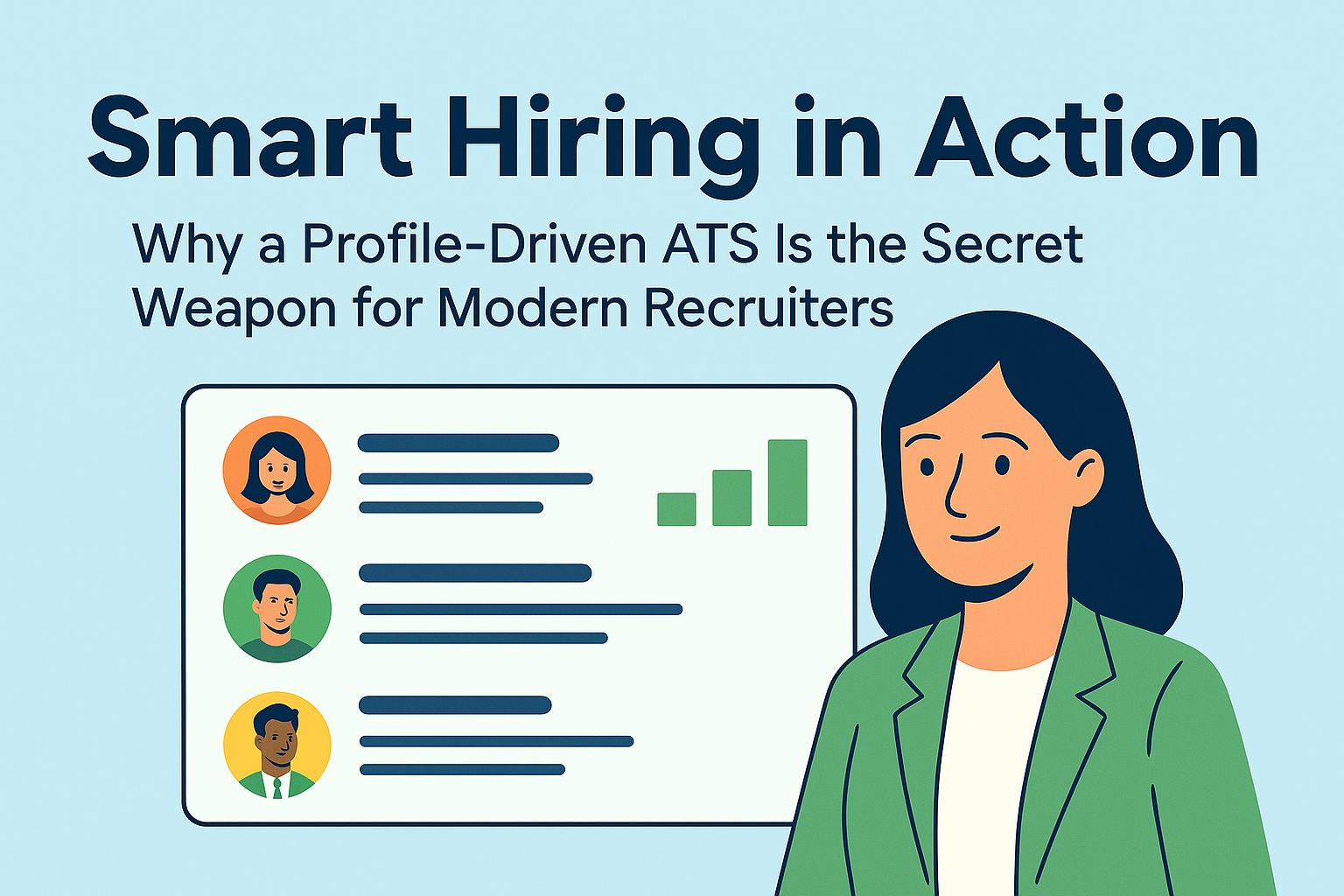
A candidate profile goes beyond a simple resume. It’s a dynamic collection of data points about a potential hire—built and updated over time—designed to give recruiters a 360-degree view of that individual.
A robust candidate profile typically includes:
- Resume and work history
- Contact details (email, phone, LinkedIn)
- Notes from recruiters and hiring managers
- Interview feedback
- Skill ratings and certifications
- Job preferences and location flexibility
- Application history with your company
This organized and searchable repository helps hiring teams stay aligned and efficient while giving candidates a personalized experience.
Why Candidate Profiles Are Crucial in 2025
As hiring becomes more competitive, data-driven decisions are shaping the future of recruitment. And candidate profiles are the foundation of that movement. Here’s why they’re so essential:
1. Accelerate Time-to-Hire
Hiring speed can make or break your ability to land top talent. With organized candidate profiles, recruiters don’t waste time digging through old emails or shared drives. They can instantly access full candidate histories, see previous touchpoints, and make faster decisions.
Platforms like Job Trackly make this process seamless by storing everything in one intuitive interface—no toggling between apps or files.
2. Power Predictive Hiring with Data
Candidate profiles aren’t just static files—they feed into data-driven hiring models. With AI-powered insights, you can track which candidates are most likely to succeed based on past hires, interview performance, and even preferred communication styles.
This enables:
- More accurate shortlisting
- Personalized outreach
- Objective decision-making based on performance indicators
It’s a game-changer for companies looking to reduce hiring bias and increase long-term retention.
3. Improve Collaboration Between Teams
Hiring isn’t a solo mission—it’s a team sport. Candidate profiles help HR teams, recruiters, and hiring managers stay on the same page. Comments, ratings, and feedback are centralized, so everyone can weigh in without redundant interviews or miscommunication.
Instead of back-and-forth email chains, teams collaborate in real-time—speeding up the pipeline and improving the candidate experience.
4. Enhance Candidate Experience
A great hiring experience doesn’t just reflect well on your brand—it helps secure the best talent. With detailed candidate profiles, recruiters can offer personalized communication that respects a candidate’s preferences, history, and skills.
This level of engagement and personalization builds trust and boosts your employer brand in a highly competitive market.
How Data-Driven Hiring Benefits from Candidate Profiles
Data-driven hiring isn’t a buzzword—it’s a strategic approach that relies on actionable insights to make better hires. And candidate profiles are the data goldmine behind that strategy.
Track Key Metrics
With candidate profiles, you can monitor:
- Application-to-hire ratio
- Interview-to-offer ratio
- Average time-in-stage
- Source effectiveness (job boards, referrals, etc.)
By understanding where your bottlenecks are, you can optimize the recruitment process and reduce drop-offs.
Reduce Bias with Standardized Evaluation
Structured candidate profiles encourage objective evaluations. Rather than relying on gut feeling or surface-level impressions, recruiters can assess candidates based on consistent data: skills, past performance, and culture fit.
This helps mitigate unconscious bias and foster more inclusive hiring practices.
Future-Proof Talent Pipelines
Every candidate who applies—even if not hired—represents potential future value. Their profile can be stored, updated, and nurtured for upcoming roles. That means your next great hire might already be in your system.
Job Trackly lets you easily re-engage these silver-medal candidates when the right role opens up—no need to start from scratch.
Boosting Candidate Experience
In 2025, candidate experience isn’t just a “nice-to-have”—it’s a competitive differentiator. As talent markets become increasingly candidate-driven, the way you treat applicants throughout the recruitment journey speaks volumes about your brand. One powerful tool that’s transforming this experience is the centralized candidate profile.
According to JobScore, companies that deliver a positive candidate experience are three times more likely to improve employee retention. That stat isn’t surprising when you consider what modern candidates value: transparency, responsiveness, and a personalized approach. Candidate profiles make all of this possible.
By organizing essential data such as job preferences, communication history, and resume updates in one unified dashboard, tools like Job Trackly allow recruiters to offer:
- Timely updates on application progress, reducing the “black hole” effect that frustrates so many job seekers.
- Personalized messages that reference the candidate’s unique journey—whether it’s their previous interviews, skill set, or preferred job roles.
- Faster responses via automation, without compromising on human warmth or empathy.
This streamlined, thoughtful communication creates a smoother and more respectful hiring process—one that candidates are far more likely to remember positively. And in an age where reviews on sites like Glassdoor and Indeed influence employer reputation, that matters more than ever.
A modern ATS like Job Trackly doesn’t just manage applications—it builds experiences. And those experiences can directly impact your ability to attract, hire, and retain top-tier talent in a competitive landscape.
How Job Trackly Empowers You
In today’s hiring landscape, speed, clarity, and data‑driven decisions are everything. That’s where Job Trackly shines. Built around intelligent candidate profiles, it transforms your recruitment workflow into one streamlined, strategic process.
Here’s how Job Trackly empowers you to hire smarter—not harder:
Unified Candidate Profiles
Every candidate has a centralized, rich profile—including resume, recruiter notes, contact details, job preferences, and application history—so you always have the full story in one place
Smart Automation & Pipeline Management
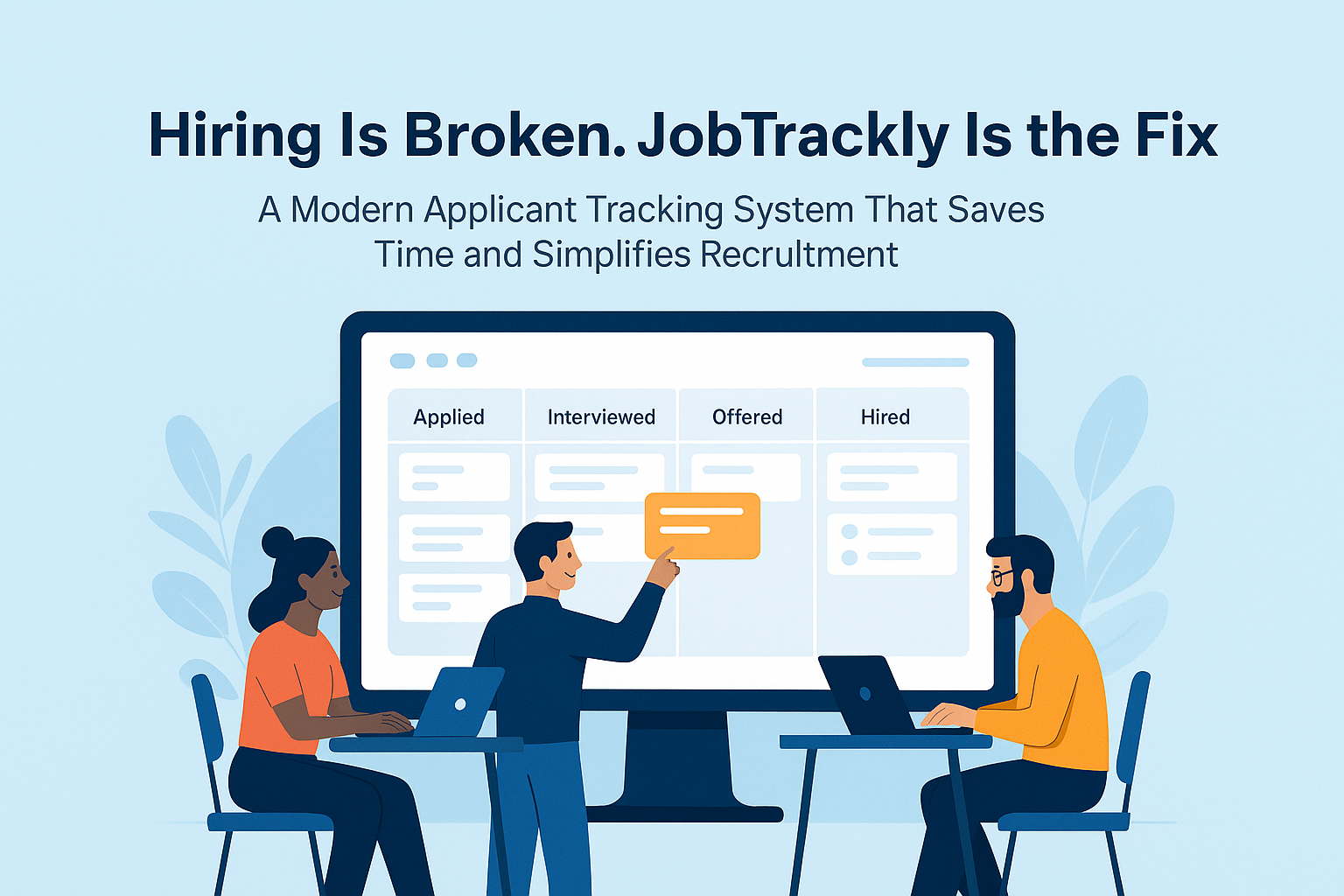
Automate routine tasks like follow-up reminders and capture candidate data through custom application forms. Plus, use Job Trackly’s Visual Application Pipeline to easily drag and drop candidates through stages like Applied → Interviewed → Offered → Hired
Admin Control & Access Management
Set up roles and permissions for your team—HR, hiring managers, reviewers—with full administrative control over who sees what
Insightful Smart Dashboard
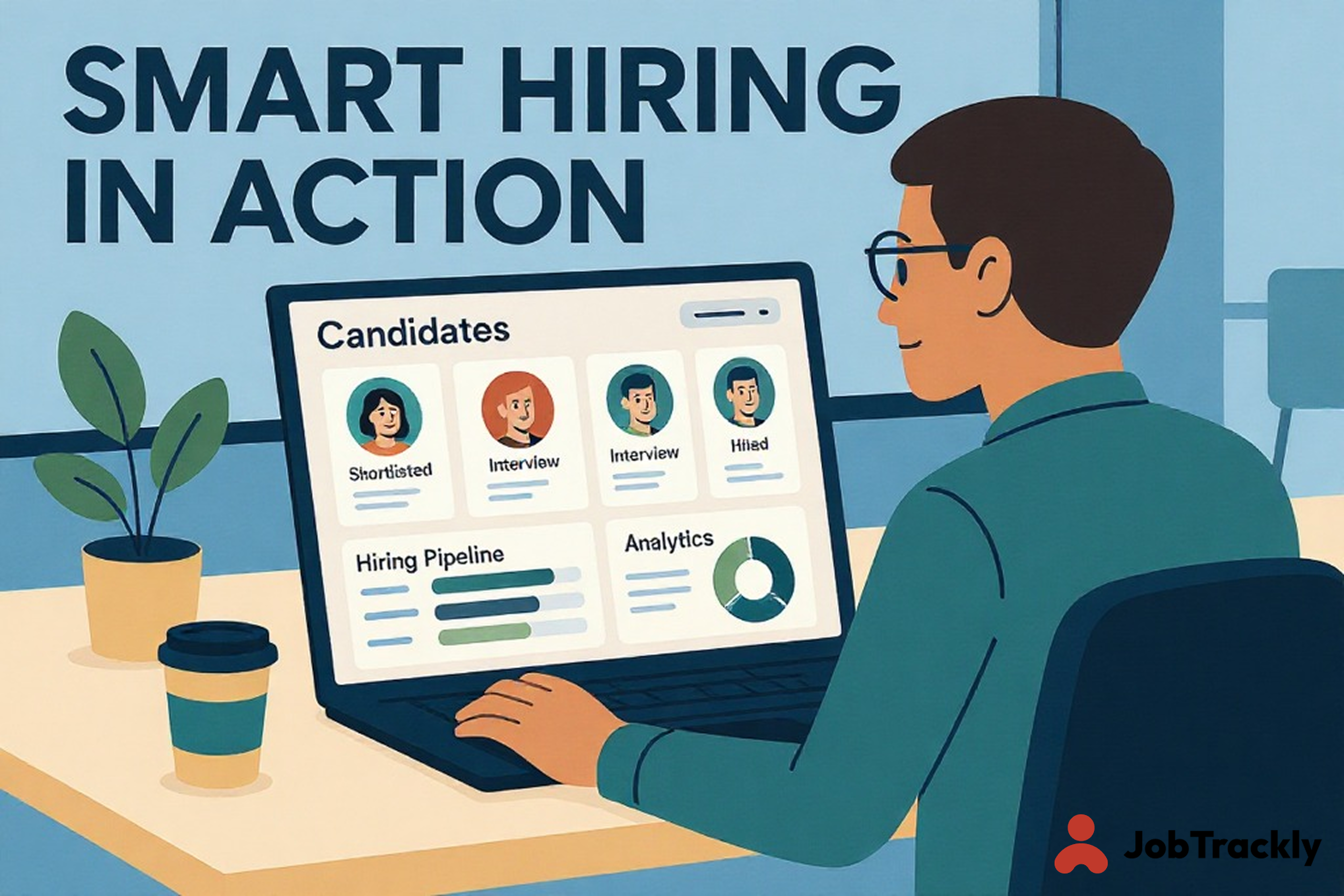
Get an instant overview of all jobs, candidates, interviews, and offers on one screen—total clarity at a glance
Custom Application Forms
Capture the information you need with flexible, customizable fields—such as file uploads, drop-down lists, and more
Public Job Board
Publish listings that candidates can apply to directly—no login required, making it easier to attract applicants
Talent Pooling & Rediscovery
Once a candidate profile is created, it stays in the system—making it easy to rediscover and re-engage top candidates when new roles open.
Whether you’re a lean startup or a scaling enterprise, Job Trackly is your edge. It’s built to:
- Centralize everything about a candidate in one unified profile
- Automate your pipeline with a visual Kanban-style workflow
- Give you a smart dashboard overview for clarity and control
- Equip your team with granular permissions and collaboration tools
- Capture targeted info with custom forms and attract talent via a public job board
- Build a reusable talent pool you can mine again and again
Whether you’re a startup or scaling enterprise, Job Trackly helps you hire smarter—not harder.
Conclusion: It’s Time to Upgrade Your Hiring Game
In 2025, hiring is no longer about volume—it’s about precision, personalization, and data. Candidate profiles offer a powerful foundation for building smarter recruiting strategies that not only fill roles but secure long-term talent.
By investing in structured candidate profiles and aligning them with data-driven hiring, you’re not just improving your processes—you’re transforming how your business grows.
Ready to start hiring better, faster, and more confidently?
Explore Job Trackly today and see how modern candidate profiles can elevate your recruitment from reactive to strategic.
FAQs
1. What is an ATS and why does it matter in recruitment?
An ATS (Applicant Tracking System) is software that automates and manages the hiring process. It helps HR teams sort, track, and communicate with candidates efficiently—making hiring faster and more organized.
2. How does Job Trackly improve the candidate experience?
Job Trackly offers personalized updates, timely communication, and profile-driven engagement, ensuring candidates feel informed, respected, and valued throughout the hiring journey.
3. Can Job Trackly help with candidate rediscovery?
Yes. Job Trackly’s Talent Pooling & Rediscovery feature lets recruiters resurface qualified past candidates when new roles arise, saving time and boosting ROI.
4. What kind of automation does Job Trackly offer?
Job Trackly automates resume parsing, follow-up reminders, scheduling, and status updates—so you can focus on human connections instead of manual tasks.